Gas Mask vs. Clicker: Breaking Down Which Post-Apocalypse Would Actually Kill You Faster

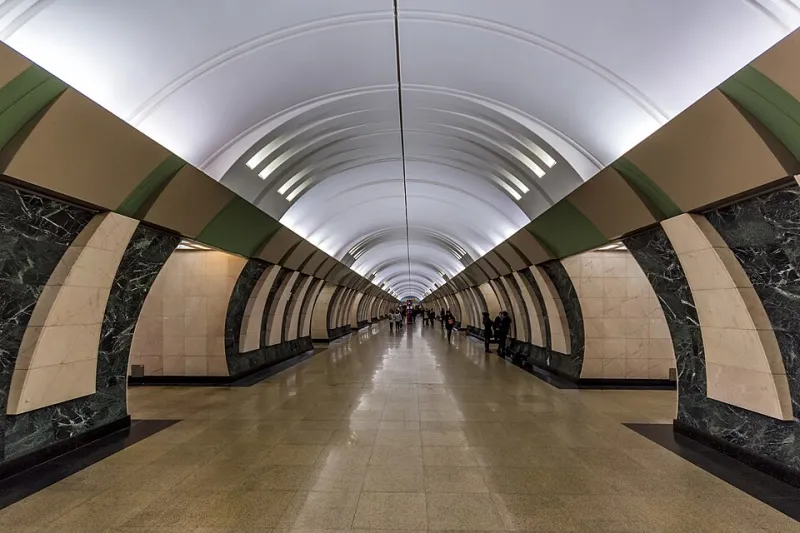
Photo: post-apocalyptic survivor gas mask dark tunnel versus overgrown city ruins, via c8.alamy.com
Metro 2033 wants you dead via radiation, mutants, and a dwindling supply of military-grade bullets. The Last of Us wants you dead via fungal zombies, trigger-happy survivors, and the slow erosion of your will to keep going. Both franchises are absolute masterclasses in post-apocalyptic tension — but which nightmare scenario actually gives you a fighting chance? We ran the numbers. Sort of.
This is the kind of debate that keeps post-apocalyptic gaming fans up at night, and honestly, it should. These two franchises represent the gold standard of survival horror storytelling, and comparing them isn't just fun — it's genuinely revealing about what each game thinks survival actually means.
The Environment: Underground Hell vs. Overgrown Wasteland
Let's start with where you'd be spending most of your time, because environment is everything in survival scenarios.
In Metro, you're primarily underground. The Moscow Metro tunnels stretch for hundreds of miles beneath a city that's been nuked into uninhabitability. The surface exists, but spending too long up there without a functioning gas mask and clean filters will kill you just as surely as any mutant. The air itself is trying to end you. That's before you factor in the anomalies, the Dark Ones, the library demons, and the various armed factions who will absolutely shoot you on sight if you wander into the wrong tunnel.
The Last of Us drops you into a world where nature has reclaimed everything. Overgrown cities, collapsed highways, forests pushing through parking lots — it's almost beautiful until a Clicker caves your skull in. The infected are everywhere, but so are patches of relative safety. You can breathe the air. You can sleep under the stars if you're careful. The environment itself isn't actively poisonous.
Edge: The Last of Us. At least the atmosphere isn't trying to give you radiation sickness.
Resource Management: Bullets as Money vs. Crafting Under Pressure
This is where the two games diverge philosophically, and it's fascinating.
Metro's economy is built around military-grade ammunition. Pre-war bullets are literally currency in the Metro — you use them to buy supplies, bribe guards, and trade for gear. This creates a brutal calculus every time you pull the trigger. Every shot fired is money spent. Crafting exists but is limited. Scavenging is constant and often dangerous. The game actively punishes wastefulness in a way that makes you genuinely anxious about your loadout.
The Last of Us runs on a crafting system that rewards exploration and improvisation. Shivs, molotovs, health kits, smoke bombs — you're constantly combining scraps into tools for staying alive. It feels more MacGyver than soldier, which suits the tone perfectly. But here's the catch: the crafting menu is your best friend and your worst enemy. Open it at the wrong moment and a Runner will be chewing on your neck before the animation finishes.
Edge: Metro. The bullet economy is more intuitive and creates more meaningful moment-to-moment decisions. In The Last of Us, you're always one bad crafting menu timing away from disaster.
The Threats: Mutants and Factions vs. Infected and Survivors
Okay, this is the big one. What's actually trying to kill you, and how scared should you be?
Metro's threat roster is wild. You've got Nosalises (giant mutant mole-rats that hunt in packs), Watchmen (mutant dogs that are somehow worse than regular dogs), Librarians (massive, terrifyingly intelligent humanoid creatures that will stare you down before deciding whether to rip you apart), and the Dark Ones — which are a whole philosophical conversation we don't have room for here. Then there are the human factions: the Reich, the Red Line, bandits, and various other groups who see you as either a recruit, a slave, or a corpse.
The Last of Us counters with the Cordyceps-infected in various stages of mutation — Runners, Stalkers, Clickers, Bloaters, and in the sequel, Shamblers. Each stage is progressively more horrifying. Clickers are arguably the most iconic enemies in modern gaming because of how they work: blind but with supernatural hearing, they force you into a completely different kind of tension. And the human enemies in TLOU are often scarier than the infected because they're smart, organized, and motivated.
Edge: Draw. Metro's mutant variety is more creative and bizarre. The Last of Us's infected are more mechanically distinct and scarier in practice. Neither wins outright because both would absolutely end you.
Narrative Tension: Philosophical Weight vs. Emotional Devastation
Here's where the comparison gets genuinely interesting, because these games are doing very different things with their stories.
Metro is philosophical. It's asking big questions about ideology, tribalism, and what humanity is worth preserving. Artyom's journey is about understanding — understanding the world he lives in, understanding the creatures he fears, and ultimately making a choice that defines what kind of person he is. The moral system is subtle; the game doesn't flash a good/evil meter at you. It just watches what you do and remembers.
The Last of Us is emotional. It hits you in the chest and keeps hitting. Joel and Ellie's relationship is one of the most carefully constructed bonds in gaming history, and the game weaponizes your attachment to them constantly. Where Metro makes you think, TLOU makes you feel — and sometimes those feelings are genuinely hard to process.
Edge: Personal preference, honestly. If you want to be intellectually challenged, Metro wins. If you want to be emotionally wrecked in the best possible way, TLOU takes it.
So Which Post-Apocalypse Would You Actually Survive?
Real talk: neither. You would die. We would all die. That's part of what makes both franchises so compelling — they're not wish fulfillment fantasies where you're secretly the chosen one who was born for this. They're stories about ordinary people ground down by extraordinary circumstances, trying to hold onto something worth surviving for.
But if you put a gun to our heads (and in both these games, someone absolutely would), we'd take our chances in the Metro. Here's why: the threats are more predictable once you learn the rules. Mutants have patterns. Factions have territories. The danger is front-loaded — learn the tunnels, learn the creatures, build your bullet economy, and you have a framework for staying alive.
The Last of Us is more randomly brutal. The infected can be anywhere. The human enemies adapt. And the emotional weight of that world — the grief, the loss, the moral compromises — might break you before anything physical does.
Metro gives you a system to master. The Last of Us gives you a world to endure.
Both are worth every terrifying minute. But only one has us convinced we might — might — make it to the next station.
Drop your take in the comments. Metro tunnels or infected wastelands — which post-apocalypse gets your survival vote?