Shoot First, Feel Later: How Metro Rewired the DNA of Story-Driven Shooters
There's a version of gaming history where Metro 2033 launches in 2010, sells decent numbers, earns some respectable review scores, and gets quietly filed away as a cult curiosity from a Ukrainian studio most Western players had never heard of. That version of history is wrong — and the proof is sitting inside virtually every narrative-forward shooter that's come out in the last decade.
Most people don't realize how much Metro changed the rules. It didn't do it loudly. It didn't top the sales charts or dominate E3 press conferences. It did something more stubborn and more lasting: it demonstrated, with cold clarity, that players would sit down for a shooter that trusted them to pay attention.
What the Genre Looked Like Before the Tunnels
Cast your mind back to the landscape shooters were navigating in the late 2000s and early 2010s. Call of Duty: Modern Warfare 2 had just set the world on fire. Halo was still the benchmark for sci-fi action. Gears of War was teaching an entire generation that cover mechanics were the future. The genre was loud, fast, and spectacular — and the story, when it existed at all, was usually a delivery system for the next set piece.
Character development meant watching your squad member die in a cutscene. Atmosphere meant a good lighting engine. Player agency meant choosing whether to go left or right before the corridor funneled you back to the same destination. Nobody was complaining, exactly, because the games were fun. But the ceiling was visible.
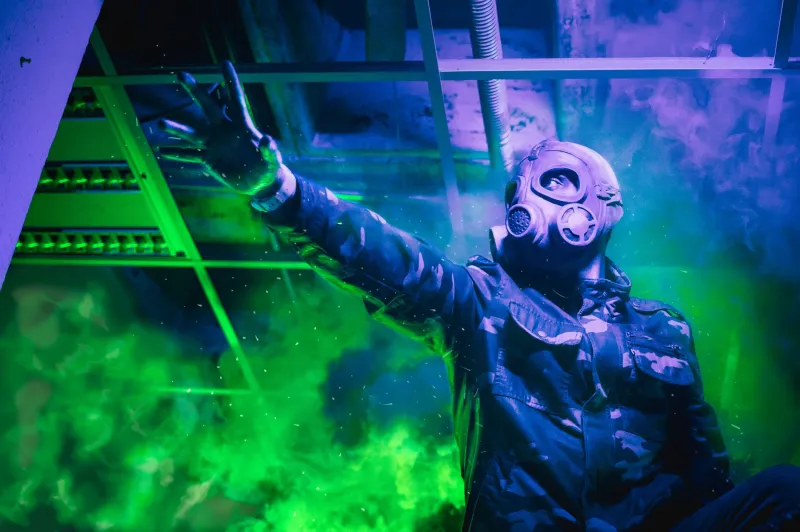
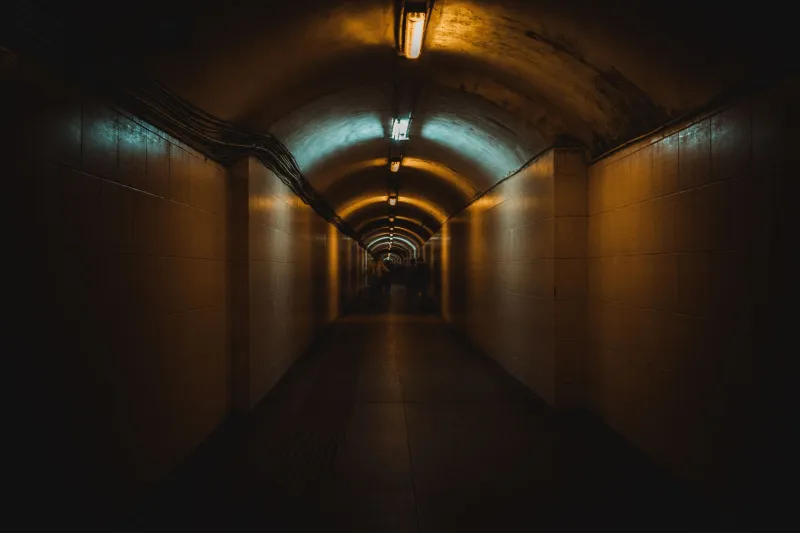
Then 4A Games put players in a gas mask and sent them underground.
The Metro Formula Nobody Expected to Work
What Metro 2033 did — and what Last Light refined, and what Exodus expanded into something genuinely ambitious — was treat atmosphere as a mechanical priority rather than a visual one. The gas mask wasn't just a cool aesthetic choice. It was a resource. It degraded. It fogged up. It reminded you, constantly, that the world you were moving through was actively trying to kill you in ways that went beyond bullet counts.
The currency system built on this. Military-grade rounds as money created a tension that no economic tutorial could manufacture: every time you spent premium ammo, you were gambling on your own survival. The narrative and the mechanics weren't separate departments. They were the same conversation.
And the story itself — Artyom's largely silent journey through a fractured underground society — asked players to absorb meaning rather than be handed it. Moral choices weren't flagged with a trumpet fanfare and a karma meter. You could miss them entirely. The game didn't care if you noticed. It rewarded attention, and it punished tunnel vision in ways that only revealed themselves at the ending screen.
For a genre used to holding the player's hand through every emotional beat, this was a genuine disruption.
The Ripple Effect Across a Decade of Shooters
You can trace Metro's fingerprints across a surprising range of releases if you know what to look for. The push toward environmental storytelling — using the world itself as the primary narrative document rather than cutscenes and dialogue dumps — became a design philosophy that studios started openly discussing. Dishonored, which arrived two years after Metro 2033, leaned hard into this approach. So did BioShock Infinite, which was already in development but whose final form reflected an industry conversation Metro had helped start.
More recently, games like Atomic Heart and even the rebooted Halo Infinite (in its campaign structure, at least) show the influence of a design philosophy that asks: what if the environment told the story, and the gunplay served the world rather than the other way around?
The survival horror adjacency that Metro pioneered — that uneasy space where a shooter makes you feel genuinely vulnerable rather than powerful — showed up in the DNA of titles like The Last of Us, which borrowed the resource-scarcity tension and the moral weight of every combat encounter. Naughty Dog has never cited Metro as a direct influence, but the design DNA is recognizable.
The Anti-Live-Service Statement Nobody Planned
Here's the part that deserves more attention in 2024: Metro proved its staying power without a single battle pass, seasonal event, or live-service hook. In an era when publishers were increasingly convinced that the only sustainable shooter model involved ongoing content drops and rotating storefronts, Metro sat quietly on shelves and kept getting discovered.
Metro Exodus launched in 2019 and sold over ten million copies across all platforms — not through engagement mechanics or FOMO-driven content calendars, but because word of mouth kept sending new players into the tunnels. The Redux versions of 2033 and Last Light introduced the earlier games to hardware generations that hadn't existed when those titles first released. The franchise grew through quality and reputation, two things that don't show up on a monetization roadmap.
This matters for the broader genre conversation because it offered publishers a data point they couldn't easily dismiss. A narrative shooter with no multiplayer component, no live-service infrastructure, and a price tag that eventually dropped to budget territory could still build a passionate, growing audience years after launch. Metro didn't just influence how games were designed — it quietly made a case for how they could be sold.
Why the Influence Is Still Underrated
Ask most gaming journalists to list the franchises that reshaped the shooter genre, and you'll hear Half-Life, Halo, Call of Duty, and maybe BioShock. Metro usually doesn't make that first-draft list, and that's a genuine blind spot.
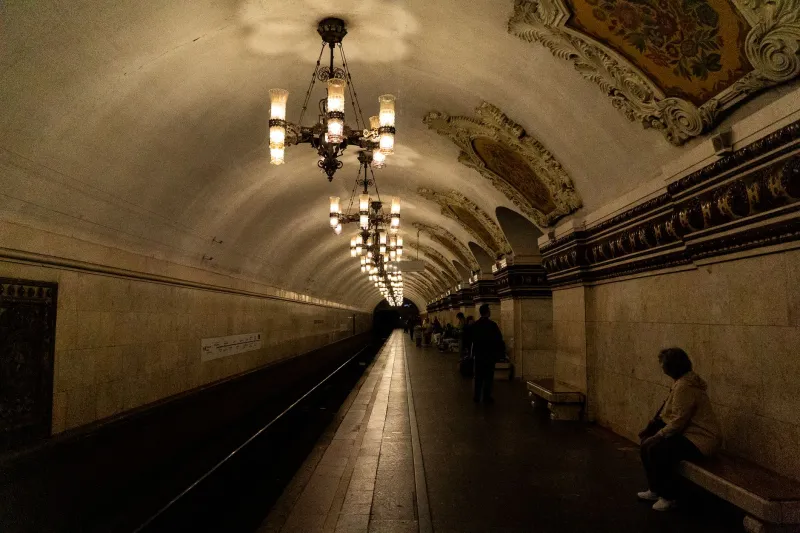
Part of it is the cultural distance. A Russian-authored, Ukrainian-developed post-apocalyptic series set in Moscow's subway system doesn't fit neatly into the American gaming conversation the way a Spartan supersoldier or a modern military power fantasy does. Metro had to earn its US audience one converted player at a time, and that slow burn meant it never got the mainstream credit that its influence warranted.
But spend time in any serious game design discussion — in a university program, in a developer postmortem, in a GDC talk — and the conversation about environmental storytelling, mechanical narrative integration, and the viability of single-player shooters almost always circles back to the same handful of titles. Metro is in that group, whether the mainstream discourse acknowledges it or not.
The Standard That Survived the Tunnels
The Metro franchise didn't change the shooter genre by being the biggest or the loudest. It changed it by being uncompromising about what a shooter could mean. Artyom's world demanded that players slow down, pay attention, and accept that the story wasn't going to wait for them if they weren't willing to meet it halfway.
That's a harder sell than a battle royale mode or a season of fresh cosmetics. It's also, it turns out, a more durable one. The games that took Metro's lessons seriously — that atmosphere is a mechanic, that restraint is a design choice, that players will invest in a world that respects their intelligence — are some of the most talked-about titles of the past decade.
The tunnels shaped the standard. The rest of the genre is still catching up.