From the Tunnels Up: How Metro's Dystopian DNA Quietly Rewrote American Storytelling
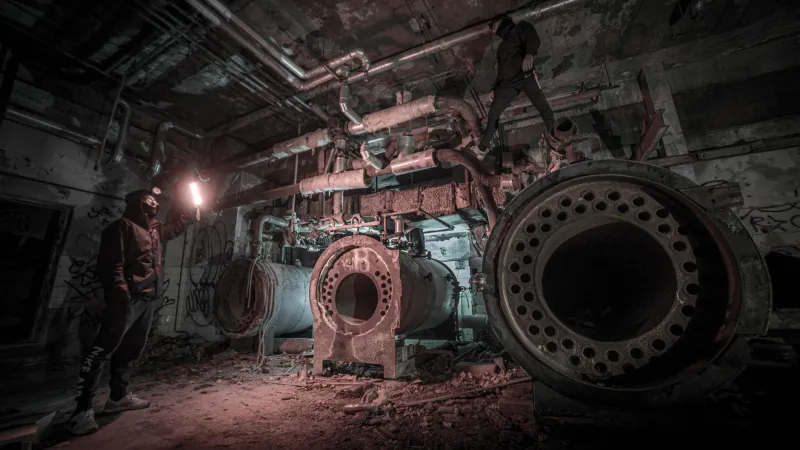
There's a specific flavor of dread that Metro does better than almost anything else in gaming — or storytelling, period. It's not the jump-scare kind. It's not even the slow-burn existential terror that something like The Last of Us trades in. Metro's brand of hopelessness is quieter, more lived-in, almost bureaucratic. The apocalypse didn't just happen to these people. It became their normal. And somewhere along the way, that particular emotional frequency started showing up everywhere in American media — in streaming series, in indie games, in the way writers talk about collapse scenarios at pitch meetings. The Metro franchise didn't just survive the cultural crossing from Russia to the US. It helped reshape how Americans imagine the end of civilization.
A World That Wasn't Built for Export
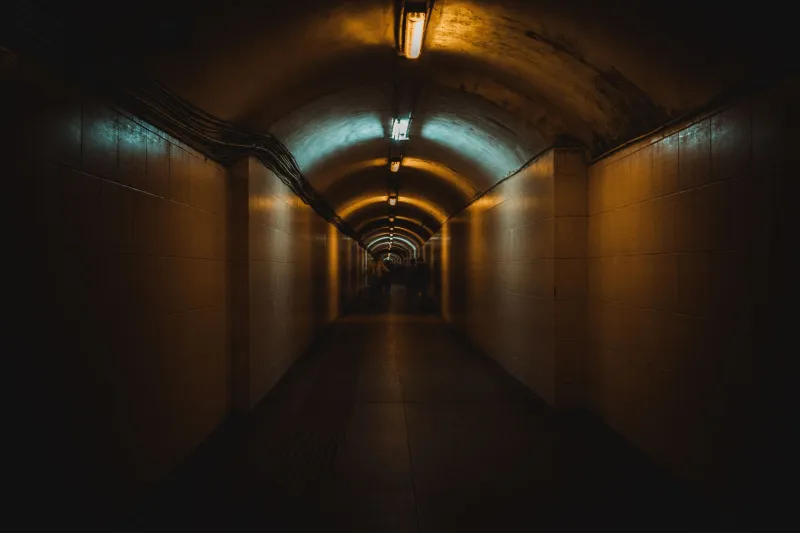
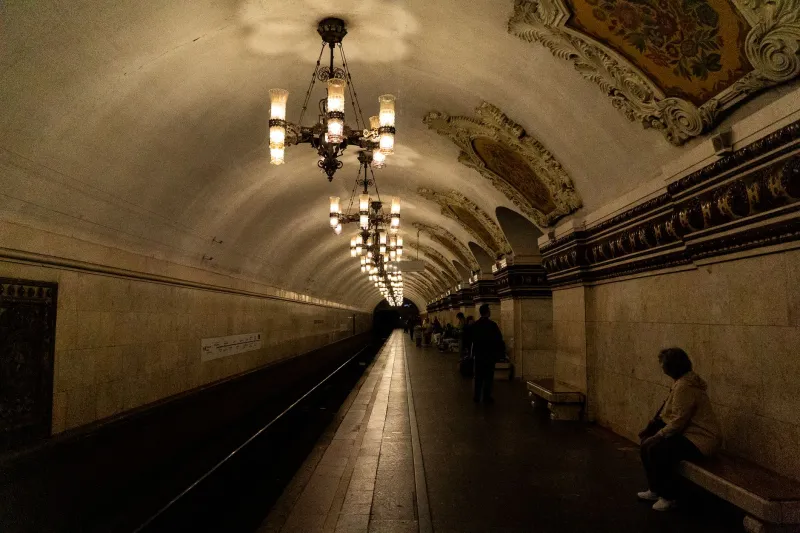
Let's be honest about something: Metro 2033 should not have traveled this well. The source material is a Russian novel, steeped in Soviet-era architecture, Cold War paranoia, and a very specific post-communist anxiety about what happens when the institutions people relied on for everything suddenly vanish. The Moscow Metro isn't just a setting — it's a character shaped by decades of history that most American players have zero firsthand context for.
And yet. The games landed here with a force that surprised pretty much everyone, including 4A Games. By the time Metro: Last Light hit in 2013, it had a devoted US fanbase that wasn't just playing it — they were writing about it, theorizing about it, and pulling it apart as a model for how dystopian fiction should work. The franchise had achieved something rare: it made the foreign feel universal.
The reason, when you dig into it, isn't complicated. Metro isn't really about Russia. It's about what people do when every system they counted on collapses at once — government, religion, commerce, safety. That's not a Soviet-specific anxiety anymore. It's a very American one too.
The Indie Game Wave That Metro Quietly Launched
Spend any time in indie game development circles and you'll hear Metro name-dropped in design documents and postmortems with surprising regularity. The franchise cracked something open in terms of what a linear, story-driven game could accomplish on a modest budget, and smaller studios noticed.
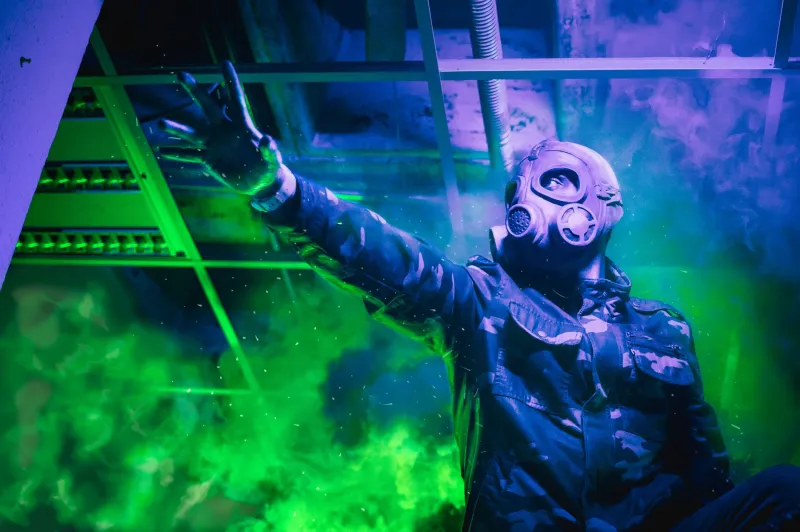
The specific lessons weren't just mechanical. Sure, plenty of developers borrowed the resource-scarcity model or the gas mask durability system. But the deeper influence was tonal. Metro demonstrated that you could build a world that felt enormous without actually building an enormous world. The tunnel system in 2033 is geographically tiny compared to almost any open-world game. But it feels vast because of how much story is packed into every corner, every ambient conversation, every piece of environmental detail.
Games like Soma, Darkwood, and even elements of Subnautica carry that Metro imprint — the sense that the world is telling you something if you slow down enough to listen, and that survival is as much about understanding your environment as it is about fighting through it. That's a design philosophy that traces a pretty direct line back to what 4A Games built in the Moscow underground.
Streaming's Apocalypse Problem — and Metro's Answer
American prestige television and streaming have been chasing the post-apocalyptic genre hard for the better part of fifteen years. Some of it has been great. A lot of it has been the same story with different window dressing: a small group of survivors, a dangerous world, a moral question about what humanity is worth preserving.
What the best of that content has started borrowing from Metro — consciously or not — is the idea that faith is as dangerous as any monster. The faction system in Metro 2033 isn't just a political setup. It's an argument about how humans, when stripped of everything, reach for ideology the way they reach for weapons. The Reds and the Nazis in the tunnels aren't cartoons. They're a thesis statement about tribalism and the stories people tell themselves to justify cruelty when the lights go out.
You can see that thesis echoed in The Walking Dead at its peak, in Station Eleven, in The 100, and in a dozen other properties where the real conflict isn't between survivors and monsters — it's between survivors and the belief systems they've built to replace the world that died. Metro was doing that with more sophistication and less budget than most of those shows, and the writers' rooms noticed.
Artyom as the American Everyman (Sort Of)
Here's where it gets interesting from a cultural translation standpoint. Artyom is, on paper, a very specific character — a young man raised in the Moscow Metro, shaped by a very particular set of Russian cultural touchstones. He shouldn't map onto American experience easily.
But 4A Games made a smart call keeping him largely silent in the first game, and players here filled that silence with themselves. The American gaming audience has a long history of projecting onto silent protagonists, from Half-Life's Gordon Freeman to Fallout's Vault Dweller. Artyom slotted into that tradition almost accidentally, and it made him weirdly accessible.
More importantly, his core arc — a young person discovering that the adults in charge don't have answers, that ideology fails, that the only honest response to an impossible world is to keep moving and stay human — reads as genuinely universal. That's not a Russian story. That's the story a lot of young Americans feel like they're living right now, metaphors and all.
Why the Influence Keeps Growing
Metro Exodus pushed the franchise into new territory geographically, but it doubled down on everything that made the earlier games resonate — the moral weight, the environmental storytelling, the sense that survival without meaning is just a slower kind of death. And that expansion seems to have widened the cultural footprint rather than diluting it.
New players are still finding the franchise constantly, often through word-of-mouth recommendations that sound less like game reviews and more like people describing a book that changed how they think. That's not a typical gaming conversation. That's the kind of cultural longevity that franchises spend decades trying to manufacture.
The Metro effect, if we're going to name it, is this: a story doesn't need to be set in your backyard to feel like it's about your life. It just needs to be honest about fear, about faith, and about what people are actually made of when everything else gets stripped away. Dmitry Glukhovsky figured that out writing on a Russian website in the early 2000s. American storytellers are still catching up.