Dead Air: Why What You Don't Hear in Metro Is Scarier Than Anything You Can See
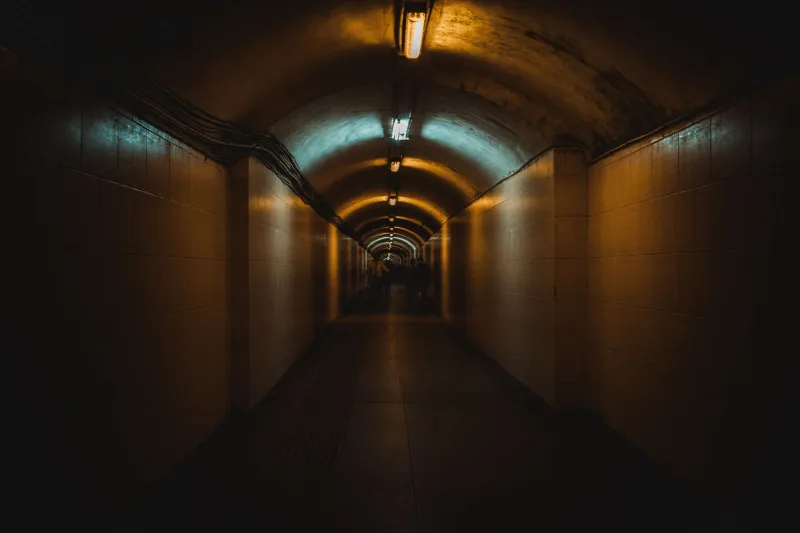
There's a moment in the original Metro 2033 that veteran players will recognize immediately. You're moving through a dead zone—one of those stretches of tunnel where the world just stops cooperating. No ambient hum. No distant drip of water. No wind through cracked concrete. Just you, your footsteps, and the sound of your own character breathing through a gas mask. And somehow, that nothingness is the most frightening thing 4A Games ever put in a microphone.
This is the Metro franchise's quietest superpower. While most horror-adjacent games are busy layering on orchestral stings and bass drops the moment something threatening appears on screen, Metro does the opposite. It pulls the audio rug out from under you and lets your brain fill the void with something far worse than any composer could write.
The Architecture of Absence
Most mainstream games treat sound design like seasoning—something you add on top of visuals to amplify what's already there. A monster appears, so you play a scary chord. A boss fight starts, so you crank the drums. It's reactive, it's predictable, and after a while, your nervous system learns to treat those musical cues as warnings rather than genuine threats. The tension becomes Pavlovian in the worst way.
Metro's approach is structurally different. The games are built on what audio professionals call negative space—the deliberate removal of sound to create psychological pressure. Dead zones in the Metro universe aren't just visually bleak; they're acoustically stripped. The ambient soundscape that normally tells your brain the world is alive and functioning simply disappears. No background noise means no safety net. Your ears keep reaching for information and coming back empty, which triggers a low-grade panic response that sits in your chest like a stone.
4A Games sound director Alexey Strutynsky has spoken in interviews about the team's philosophy of treating audio as a survival mechanic rather than an atmospheric garnish. The idea was that sound should carry the same weight as visibility or ammunition—something the player actively manages and reads. In practical terms, that means when the world goes quiet in Metro, you're not just experiencing ambiance. You're receiving information. Dangerous information.
Your Gas Mask Is the Scariest Instrument in the Game
Nothing in Metro's audio toolkit hits quite like the sound design around the gas mask. The muffled breathing, the fogged filter intake, the rhythmic pressure of each exhale against the seal—it's claustrophobic in a way that's almost physiological. When your filter starts degrading, the breathing shifts. It gets labored. Slightly wet. The mask itself becomes a countdown clock you can hear.
What's clever here is that the gas mask audio doesn't just communicate danger—it personalizes it. You're not hearing a dramatic score swell to tell you things are bad. You're hearing your own body telling you things are bad. That's a fundamentally different kind of fear. It's intimate. It's internal. And it's almost impossible to tune out the way you can tune out background music.
Compare this to something like a mainstream horror title where danger is typically announced by external audio cues—strings, impact sounds, a monster's signature growl. Those games are essentially narrating your fear to you. Metro hands you the raw sensory data and trusts you to feel it yourself. That trust is what makes the difference.
Footsteps as Storytelling
Spend any serious time with Metro Exodus and you'll start paying attention to footsteps in a way no other game has ever made you do. The surface beneath Artyom's boots communicates constantly—gravel, water, snow, wooden planks, metal grating—and each texture shift tells you something about where you are and, critically, how loud you're being. In a game where stealth is often a survival necessity rather than just a playstyle option, that audio feedback becomes essential.
But it goes deeper than tactical information. The footstep design in Metro is part of a larger system of environmental audio that builds a living, responsive world. When you slow down, the world seems to listen back. Distant sounds—a mutant shifting weight somewhere in the dark, a human patrol coughing two corridors over—suddenly resolve into focus because the ambient noise floor drops when you stop moving. The game rewards stillness with information, which means it's actively training you to be quiet and listen. That's a design philosophy most shooters never even attempt.
Why Horror Games Got It Backwards
The American horror game market has largely defaulted to a model built around orchestral manipulation and visual shock. Loud, sudden, visually dramatic. It works in the short term—jump scares reliably spike heart rates—but the fear doesn't linger. Once the moment passes, your nervous system resets. You laugh it off. You move on.
Dread is different from fright, and Metro understands that distinction at a cellular level. Dread is anticipatory. It's the feeling that something is wrong before anything has actually gone wrong. It lives in the silence between sounds, in the absence of the ambient cues your brain expects. It's harder to manufacture than a jump scare, but it's also harder to shake.
When Metro goes quiet—genuinely, completely quiet—it's not a lull in the action. It's a threat. Your brain knows something is coming because the world has stopped pretending everything is fine. You can't point to what's scary because there's nothing there yet. That's the whole point.
Surviving With Your Ears
For players who want to actually absorb what Metro's audio design is doing, the recommendation is simple: play with headphones. Not earbuds—proper over-ear headphones. The spatial audio work in all three mainline games is detailed enough that you can hear directional information that genuinely affects gameplay. Enemies approaching from your left actually sound like they're approaching from your left. A distant howl doesn't just tell you something's out there; it tells you roughly where.
More importantly, headphones let you experience the silence properly. When that dead zone audio kicks in and the world goes acoustically flat, it lands differently when the sound is physically surrounding you rather than coming out of TV speakers across the room. The absence becomes immersive in a way that's hard to describe until you've felt it.
Metro has always been a franchise that rewards players who pay attention—to the environment, to the narrative details, to the moral weight of decisions. It turns out that philosophy extends all the way down to the sound design. The developers built a world where listening carefully isn't just good strategy. It's the difference between survival and becoming another set of bones in the dark.
And sometimes, the scariest thing you'll ever hear in these tunnels is nothing at all.