Everyone's the Hero of Their Own Tunnel: Metro's Uncomfortable Gift to Gaming
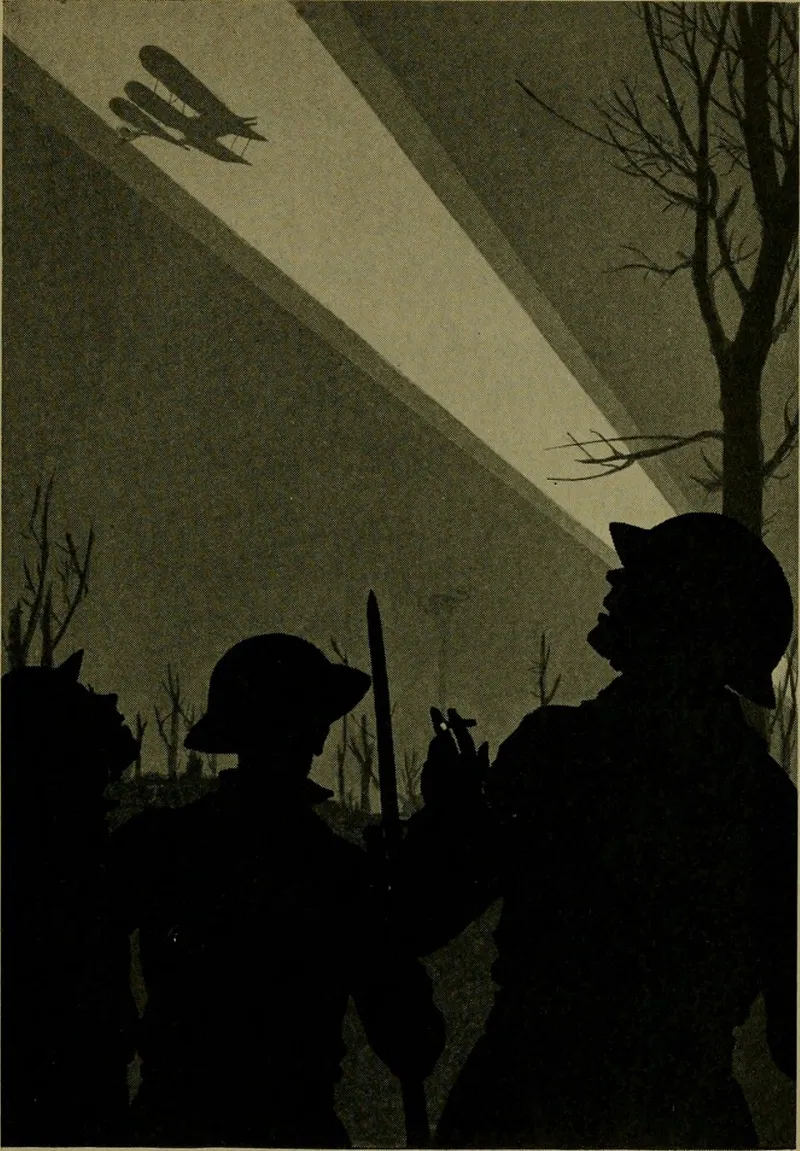
Photo: Internet Archive Book Images, No restrictions, via Wikimedia Commons
Most games hand you a villain and a red health bar to match. Metro hands you an ideology, a sob story, and a reason to hesitate—and then dares you to pull the trigger anyway.
That hesitation is the whole point. And I'd argue it's the most mature thing this franchise ever does.
The Banality of Tunnel Politics
Here's what gets me about the Fourth Reich in Metro 2033. Yes, they're fascists. Yes, they're doing monstrous things in the name of purity. But the game doesn't present them as monsters from central casting—it presents them as people who believe they're saving their home.
Walk through their territory and you see ration lines, patrols, propaganda posters about unity. It looks like order. It sounds like safety. And that's precisely why it's terrifying, because you understand why a hungry survivor signs up.
American gamers know this pattern from our own history books. Extremism doesn't announce itself with a boss fight. It arrives offering bread and belonging.
The Red Line: Same Hunger, Different Flag
The communists across the tracks are running the same con with different branding. Comrades and queues and the promise that everyone eats—so long as everyone obeys.
And here's the uncomfortable part: the Red Line soldiers you mow down by the dozen? Most of them are conscripts. Kids, basically, who got assigned a uniform based on which station their parents died in. The game never lets you forget that your heroism has a body count of people who were mostly just tired.
Bandits, the Honest Villains
Ironically, the faction with the least ideology is the easiest to shoot. Bandits don't pretend. They take what they want and dare you to stop them. There's almost a relief in that after hours of moral fog.
But even they get a nod of understanding from the game. In a world with no police and no future, some men just decide the rules are whatever they can enforce. It's not admirable. It is, however, believable in a way most gaming villains never manage.
Why This Matters More Than Graphics
Plenty of games do gray morality as a dialogue wheel with three flavors of nice. Metro does it structurally. You can't opt out of the factions—you have to move through their worlds, hear their arguments, maybe even agree with a line or two before catching yourself.
That's the trick. Sympathy sneaks up on you. You find yourself thinking the Reich's stations do seem well-run, and then you find the cells, and the whiplash is the lesson.
No other shooter I can name trusts the player this much. It says: here's the worst of humanity, rendered honestly, and we're not going to tell you how to feel about it. You're a grown-up. Decide.
The Case for the Uncomfortable
Some players hate this. They want clean lines, clear enemies, a satisfying evil laugh. I get it. But clean lines are a lie, and Metro knows it.
The franchise's greatest writing achievement isn't Artyom's silence or the endings or the mutants. It's that moment when you realize the person on the other side of your rifle scope has a family photo taped to their gun—and the game just leaves it there, unremarked, for you to deal with.
Good people doing bad things for understandable reasons. That's not just good game writing. That's the human condition with a gas mask on. And nobody in the industry does it better.